How to Find the Workout Clothes You See on TV (Without Guessing the Brand)
Disclosure: Bubblelime (bubblelime.com) is an activewear store connected to this site's publisher. Treat mentions of it on this page as promotional. How we make this.
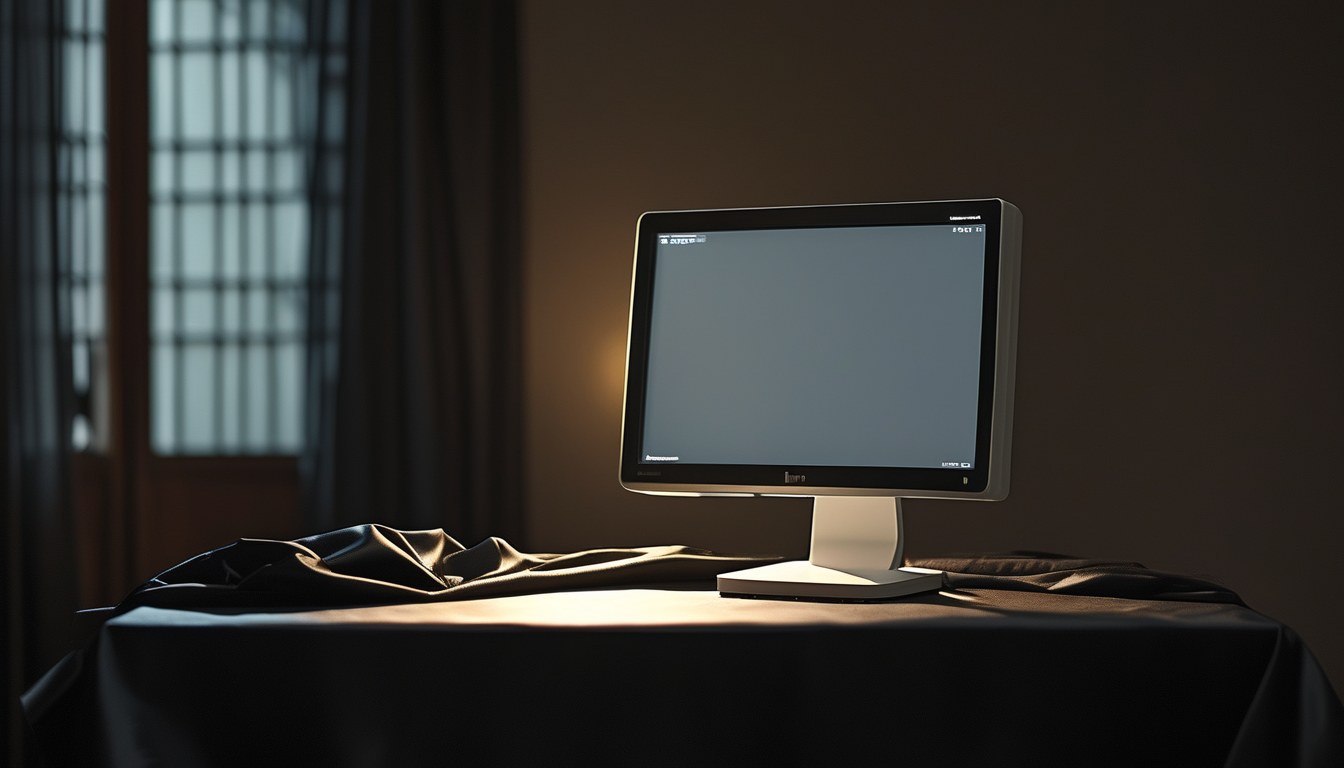
- Search by construction words — band width, seam placement, hem, length, pockets — not by guessing a logo.
- 5 details are enough to narrow almost any legging on screen to a handful of buyable matches.
- Check the length before the size: most brands do not add inseam when you size up.
Short version — Pause the frame, write down five things about the garment's construction, and search those words instead of a brand name. Waistband width, seam placement, hem type, length and pockets will get you to a match faster than any reverse image search on a broadcast still.
The instinct is to hunt for the logo. On television the logo is the one thing you are least likely to see, because productions cover, turn or clear it.
What five details should you write down?
| Detail | What to look for | Search words that work |
|---|---|---|
| Waistband | Height and shape — straight, contoured, V-front, foldover | "high waist", "V front waistband", "foldover" |
| Seams | A center front seam, a double hip seam, or none at all | "no front seam", "seamless", "double hip seam" |
| Hem | Plain, cuffed, split, or flared below the knee | "split hem", "bootcut", "kick flare" |
| Length | Ankle, seven-eighths, capri, or over-the-heel | "28 inch inseam", "7/8", "capri" |
| Pockets | Side thigh, waistband, hidden inner, or none | "side pockets", "inner waistband pocket" |
String three of them together and the search does the work: "high waist bootcut yoga pants with side pockets" is a specific garment, while "black leggings from that show" is not.
Why not use reverse image search?
Two reasons. Broadcast frames are compressed, motion-blurred and color-graded, so the fabric texture that an image search relies on is mostly gone. And uploading a still of a person to a search engine is a privacy step we would rather not encourage.
Construction words survive compression. A four-inch contoured band is still a four-inch contoured band at 480p.
How do you tell compression from a soft knit on screen?
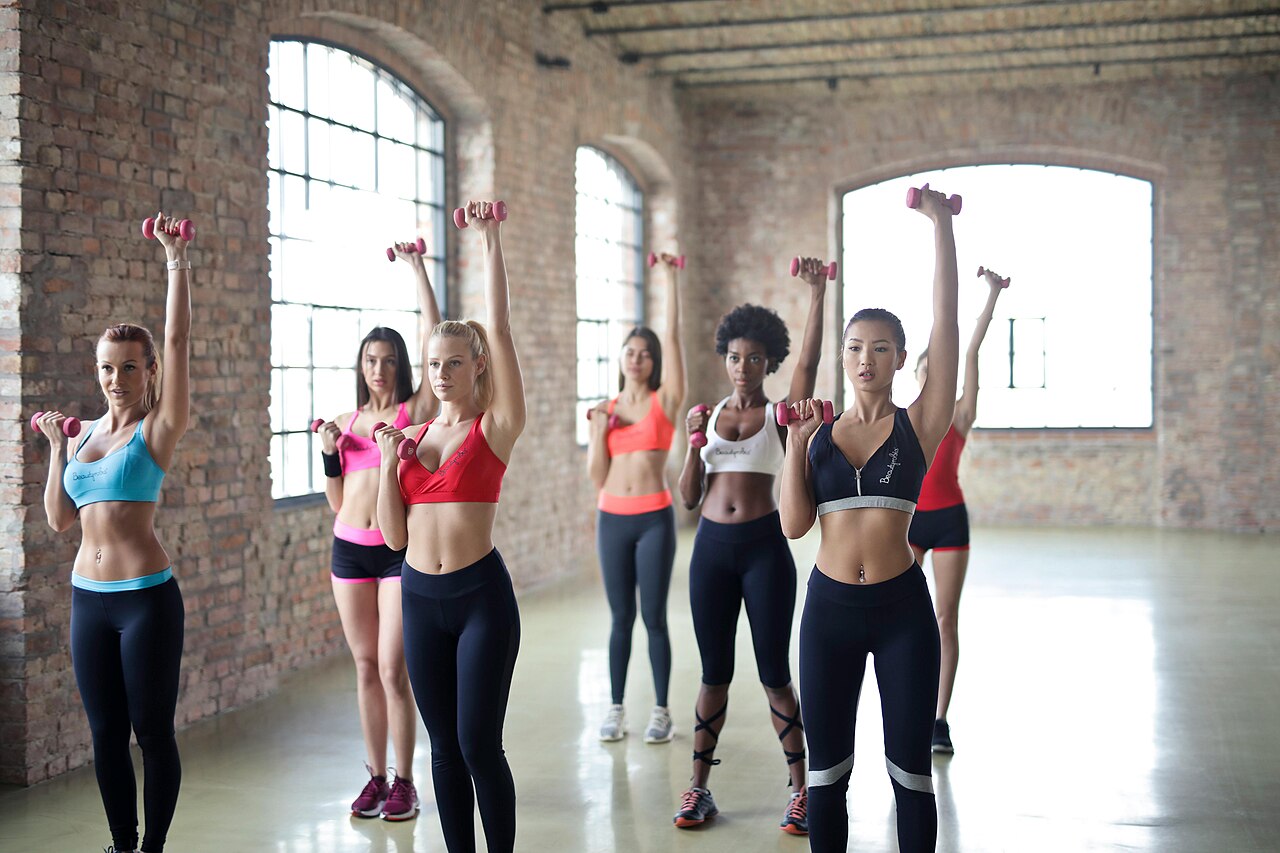
Watch what happens at the knee when the wearer bends. Compression fabric holds its shape and shows a clean line; a soft, low-compression knit creases and pools slightly behind the knee.
Sheen helps too. Higher-nylon blends catch studio light in a narrow band down the thigh; cotton-feel and brushed knits scatter it. Neither is better — they are different garments for different jobs.
What do you do once you have candidates?
- Check the length first. Sizing up rarely adds inseam, so a great match in the wrong length is the wrong garment. Use inseam by height to convert.
- Read the fabric line. A nylon-spandex blend around 80/20 behaves differently from a poly blend, and both appear at every price.
- Check the band width against your screenshot note. This is the detail that most often separates two near-identical listings.
- Compare prices before you commit. The same silhouette runs from about $17 to over $100 depending on the store — the current spread is in buy prices by store.
When should you give up on an exact match?
When the garment is production-made, which happens more than people expect on studio shows. Rehearsal-room pieces are often personal clothing bought years ago, and competition uniforms are sometimes made for the show and never sold.
At that point the useful question changes from "what is that" to "what does that do," and the answer is usually available for under $40. Our breakdown by event type covers what each on-screen setting actually requires.
Five mistakes that send people down the wrong path
- Trusting a color name. Studio lighting turns navy into black and plum into burgundy. Match the construction, then choose the color you want.
- Assuming it is expensive. Wide-band, opaque, flat-seamed leggings exist under $20, and they read identically on camera.
- Chasing a shoe instead of the fit. Footwear is the most commonly sponsored item on screen and the least likely to still be in stock.
- Buying before measuring. Especially on final-sale listings, where the between-sizes decision cannot be undone.
- Believing a comment that names a brand. Confident and sourced are different things.
Do networks publish wardrobe credits?
Occasionally, usually through a show's official social account or a brand's press release when there is a partnership. Those are the two sources we accept before naming anything.
Is the rehearsal-room look easier to find than competition kit?
Yes, considerably. Rehearsal wear is ordinary retail activewear, so the construction-word method usually lands a real match.
What about the sports bra?
Look at the back: racerback, crossback and strappy read differently even in a wide shot. Then check whether the brand sells by cup range rather than by letter size, which changes how you order — more in the label comparison.
TL;DR — Waistband, seams, hem, length, pockets. Search those words, skip the logo hunt, check length before size, and accept that some on-screen pieces were never for sale. What matters is what the garment does, and that is usually available for less than you think. Start with what this site covers.
How do you check a claim you read somewhere else?
Two questions settle most of them. Who is the source, and is the item still sold?
| What you are reading | How much weight it carries |
|---|---|
| A brand's own press page, a show's official account, or a styling credit in a published interview | A source. These are the two kinds we accept. |
| A comment, a listicle with no link, or a marketplace listing using the show's name | Not a source. Marketplace sellers add show names to titles precisely because people search them. |
| A dead product page | The claim may have been true and is now useless — go back to construction words and find a current equivalent. |
| A price that looks impossible ($98 legging at $19 on an unfamiliar site) | A copy, not a deal — our sister site's sale-price checks apply here too. |
When a claim fails those tests, the honest description is "a similar style," and that is the phrase we use. It is less satisfying than a brand name and considerably more likely to be true. More of the method sits in our guides and fitness show coverage.
Sources
- Garment construction terms cross-checked against product descriptions at bubblelime.com, senitaathletics.com and baleaf.com, read Sept. 8, 2026.
- Length and size references: Legging Size Guide. Price spread: Activewear Deals.